
Access Control Systems
Access systems with door-level authorization, magnetic and card-operated locks. A turnkey service including site survey, installation, software and technical service.

Access Control Systems
Card and biometric door control with door-level permissions and time schedules.
View and get a quote →
Lock Systems
Door security with magnetic, electric and card-operated locks.
View and get a quote →
Hotel Door Locks and Smart Locks
Card-operated door locks and smart locks for hotels, serviced apartments and dormitories.
View and get a quote →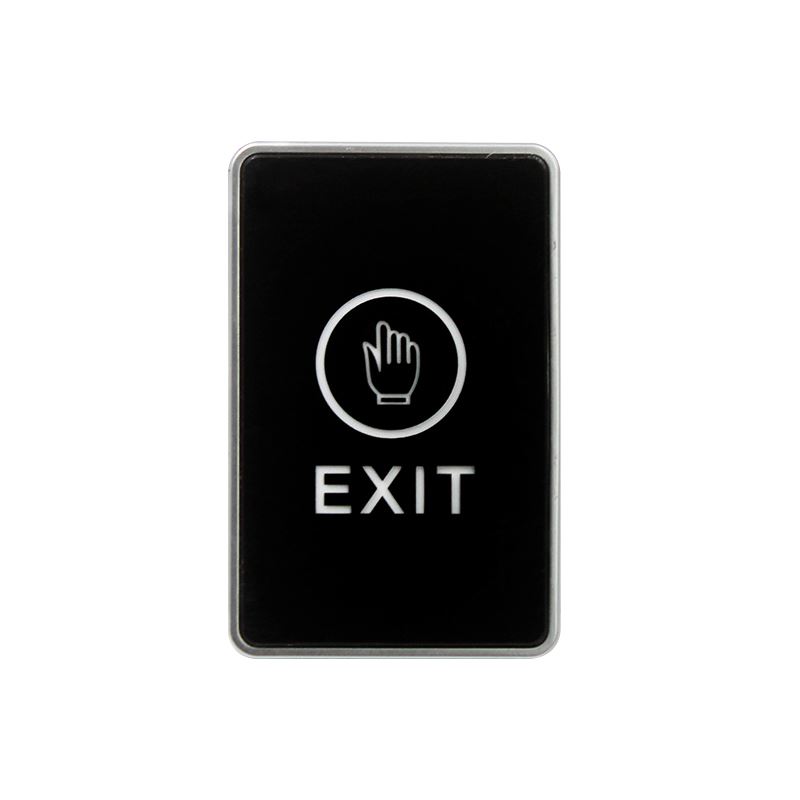
Door Release and Exit Buttons
Touchless, touch, stainless steel and emergency exit door release buttons.
View and get a quote →
QR Code Access System
QR code + card readers for visitor and event entrances.
View and get a quote →What Is an Access Control System?
Access control systems are security solutions that define who can pass through which door of a building on which days and at what times, and record every passage. In Turkish they are known as "geçiş kontrol", while the international term is access control. Unlike keyed locks, a lost card is cancelled in the software with a single click and no lock needs to be replaced; an employee can be allowed to enter only their own department and only at certain hours.
How Do Access Control Systems Work?
An access control system consists of four basic components:
- Identification device (reader): Reads a card, PIN, fingerprint, face or QR code.
- Access control panel: Compares the information from the reader with the permission list and decides whether to unlock. On some devices, the panel and reader are in a single housing.
- Lock or passage hardware: Magnetic lock, electric strike, turnstile or barrier.
- Access control software: The hub where users, permissions, time schedules and reports are managed.
When a user verifies their identity, the panel unlocks the door for a set period; a door sensor monitors whether the door has been left open or forced. For exiting from the inside, an exit button or a second reader is used.
Types of Access Control Systems
Card access control systems
The most common and easy-to-use systems, working with proximity or encrypted cards. Cards can be combined with the staff ID card. See card access control system.
PIN-based systems
Operate with a keypad; there is no additional card cost, but there is a risk of the PIN being shared. They are usually chosen as a second factor alongside a card.
Biometric systems
Fingerprint or face recognition requires the person to be physically present. They stand out in sensitive areas such as server rooms, archives and laboratories. See face recognition systems. Under KVKK, biometric data is considered special category personal data. The Turkish Personal Data Protection Authority (KVKK) principle decision No. 2026/921 of 29.04.2026 does not find processing this data for working-time tracking proportionate; although the decision does not directly regulate access control for security purposes, using biometric devices in high-security areas requires a separate legal assessment. We recommend consulting a legal advisor before installation.
QR code and mobile access
Visitors are sent a temporary QR code, allowing controlled entry without issuing a card; this is becoming common in office towers and corporate buildings.
Comparison of Types
| Method | Security | Ease of use | Points to consider |
|---|---|---|---|
| Card | Medium | High | Card sharing and lost card management |
| PIN | Low – medium | High | PIN being shared with others |
| Card + PIN | Medium – high | Medium | Longer passage time |
| Fingerprint / face recognition | High | High | Not recommended for time attendance; separate legal assessment for security use |
| QR code | Medium | High (for visitors) | Code validity period and sharing |
What Do You Gain with an Access Control System?
Key management is largely eliminated: when an employee leaves and their card is cancelled, there is no need to change locks. Since separate permissions and time schedules can be defined for each door, for example, only the relevant team can enter the accounting archive during working hours. Because all passages are recorded, after an incident you can look back at who passed through which door and when. An alarm can be generated if a door is left open or forced. The same infrastructure can also be used for time attendance and visitor management, bringing several needs together in a single system.
Visitor Management
In office towers, factories and corporate buildings, visitors are the least controlled user group. With a visitor module added to the access control software, a guest can be issued a card or QR code valid only for specific doors and for a limited time. When the period expires, the permission ends automatically and the visitor's movements in the building remain on record.
Choosing a Lock
In the field, the end result of access control is the lock. Magnetic locks are common on glass and aluminum doors, and electric strikes on wooden and steel doors. For doors on fire and emergency exit routes, a lock type that opens the door when power is cut and integration with the fire alarm should be planned. For lock options, see our lock systems page.
How to Choose an Access Control System
- How many doors and how many users will be managed?
- Are different permission levels needed between doors?
- Will the system also be used for time attendance (PDKS)? If so, card (RFID/NFC) or PIN readers should be preferred.
- What are the door types and emergency exit requirements?
- Is visitor management needed?
- Is integration with cameras, fire alarms or lift systems required?
What Determines the Price?
- Number of doors and readers, reader type
- Whether a central panel or a standalone single-door device is used
- Lock type and mounting brackets suited to the door
- Software scope and number of users
- Cabling distance and network infrastructure
- Additional components such as cards and a visitor module
Installation Process
During the site survey, each door is examined and the lock type and cable routes are determined. Cabling is laid, readers, panels and locks are mounted, and exit buttons and door sensors are connected. Users, permission groups and time schedules are defined in the software. After emergency scenarios are tested, administrators receive training. If you also want to use access data for time attendance, records from card or PIN readers can be connected to the time attendance systems infrastructure with our in-house software.
Maintenance
The holding force of locks, the adjustment of door closers, the operation of readers and the currency of permission lists in the software should be checked regularly. Revoking the permissions of departing staff on time is the most important security step in the system. Regular backups of the software database and keeping device firmware up to date should not be neglected either.
Sensör Yazılım provides free site surveys in Istanbul, works with devices from various brands and ships to all 81 provinces of Turkey. Get a quote for your building.
Other security systems
Frequently asked questions about access control and lock systems
Will it fit my existing door?
A magnetic lock or electric strike is chosen according to the door material and opening direction. We determine this during the site survey.
Can floor access be restricted in lifts?
Yes. With a floor control module, people can be given access only to the floors they are authorized for.
How do I change the PIN on a card access system?
The PIN or administrator password is usually changed from the device's admin menu or the connected software; the steps vary by brand and model. If you don't have the manual, our technical service can help on site or remotely.
How much do card access systems cost?
The price depends on the number of doors, reader and lock type, number of cards, cabling conditions and software scope. After the site survey, we prepare a quote tailored to your needs.
Get a price quote
Send us the number of doors / passages, number of staff and your address, and we will call you for a site survey and quote.
Related Guides
Common Misconceptions About Time Attendance
We cover eight common misconceptions about time attendance systems and the facts behind them, covering biometric data, explicit consent, card security and cost.
Read →Hygiene Turnstile
We explain how hygiene turnstiles, which combine hand disinfection, shoe sole cleaning and clothing checks at a single access point, work and where they are used.
Read →Types of Fingerprint Readers
We explain the differences between optical, capacitive and multispectral fingerprint sensors, fake finger detection, difficult finger conditions and the appropriate use cases under KVKK.
Read →Lift Card System
We explain how card-based floor authorization in lifts works, which buildings use it and how to coordinate with the lift company during installation.
Read →